As cryptocurrency adoption continues to grow, so does the importance of keeping digital assets safe. Online wallets and exchanges are convenient, but they are also common targets for hacks and security breaches. This is why many users turn to hardware wallets for long-term protection. Ledger is one of the most trusted names in the crypto security space, offering hardware wallets designed to keep private keys offline and under your control. If you are new to Ledger, getting started is a straightforward process that sets a strong foundation for managing your crypto securely.
The first step in using a Ledger hardware wallet is unboxing and verifying your device. Ledger devices come sealed and should never be preconfigured. When you open the box, you should find the hardware wallet, a USB cable, recovery sheets, and basic instructions. It is important to ensure that the device has not been tampered with. Ledger wallets are designed so they do not contain any pre-set recovery phrases, which means the security setup always starts fresh with you.
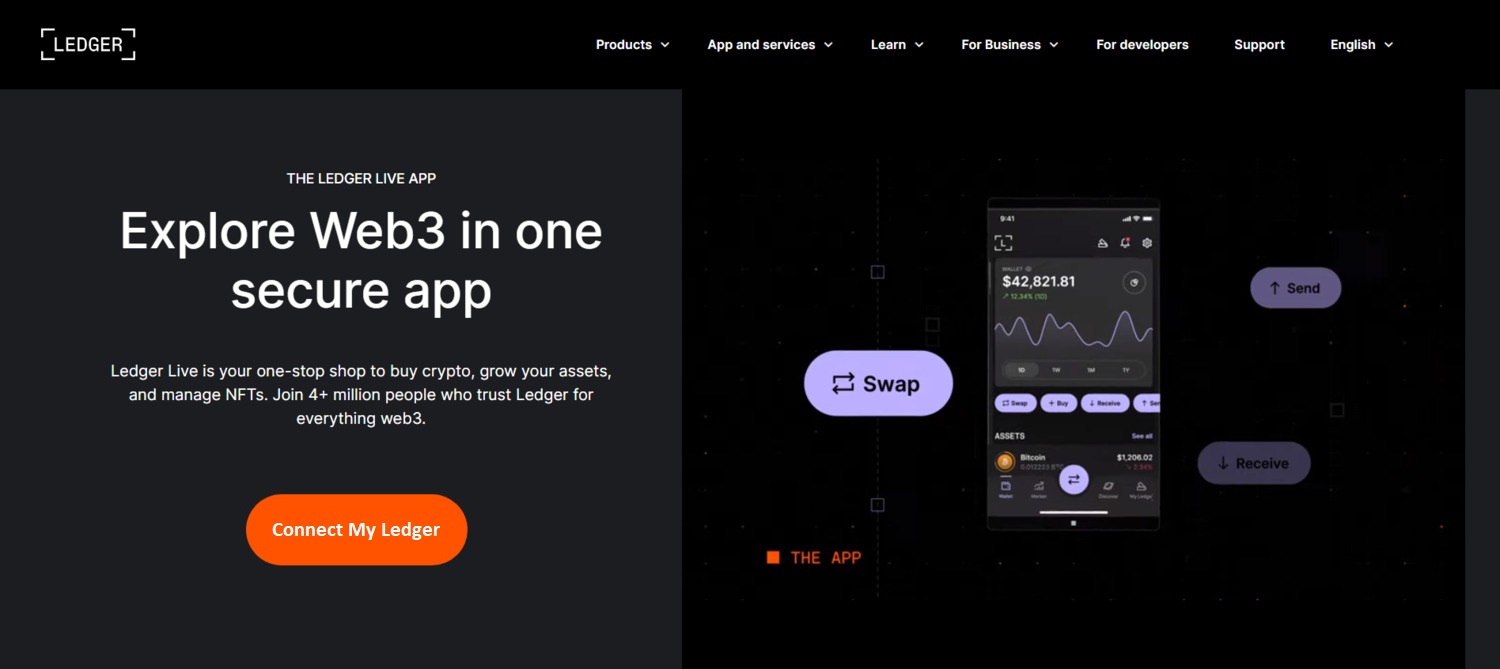
After verifying your device, the next step is to install the Ledger Live application. Ledger Live is the official companion app that allows you to manage your cryptocurrency accounts, view balances, send and receive assets, and access additional features such as buying, swapping, and staking crypto. Ledger Live is available for desktop and mobile operating systems, giving you flexibility in how you manage your portfolio. Installing the app only takes a few minutes and provides a central dashboard for all your crypto activity.
Once Ledger Live is installed, you can connect your Ledger hardware wallet to your computer or mobile device. Depending on the model, this is done using a USB cable or a secure Bluetooth connection. When you power on the device for the first time, it will guide you through the setup process directly on its screen. You will be asked to choose whether you want to set up a new device or restore an existing wallet. New users should select the option to create a new wallet.
During the setup, you will create a PIN code on the Ledger device. This PIN is required every time you unlock the wallet and helps protect your funds if the device is lost or stolen. After setting the PIN, the device will generate a recovery phrase, usually consisting of 24 words. This recovery phrase is the most important part of your wallet’s security. It is the only way to restore access to your funds if the device is damaged, lost, or reset. The words should be written down carefully on the provided recovery sheets and stored in a safe, offline location. Never store this phrase digitally and never share it with anyone.
After completing the security setup, Ledger Live will prompt you to add cryptocurrency accounts. Each account represents a specific blockchain, such as Bitcoin or Ethereum. You can add multiple accounts for the same asset if you want to organize your holdings. Once accounts are added, Ledger Live will synchronize with the blockchain and display your balances and transaction history. At this point, your Ledger wallet is ready to receive crypto.
Transferring cryptocurrency to your Ledger wallet is a key step in taking full control of your assets. To receive funds, you generate a receiving address in Ledger Live and confirm it on the hardware wallet’s screen. This confirmation step ensures that the address shown on your computer or phone matches the one securely generated by the device. When sending crypto from an exchange or another wallet, always double-check the address before confirming the transaction.
Ledger wallets are designed so that private keys never leave the device. When you send crypto, Ledger Live prepares the transaction, but the final approval must be made on the hardware wallet itself. You review the transaction details on the device’s screen and confirm them using the physical buttons. This process prevents malware or unauthorized software from making transactions without your knowledge.
Beyond basic storage and transfers, Ledger Live offers additional features that enhance the user experience. You can buy cryptocurrency directly through integrated service providers, swap between different assets, and stake supported coins to earn rewards. Ledger Live also allows you to manage NFTs and interact with decentralized applications while maintaining the security of a hardware wallet. These features make it possible to participate in the broader crypto ecosystem without sacrificing control over your private keys.
Keeping your Ledger device and Ledger Live app up to date is an important part of ongoing security. Firmware updates may include new features, support for additional cryptocurrencies, and critical security improvements. Ledger Live notifies you when updates are available and provides step-by-step guidance to complete them safely.
In conclusion, starting with Ledger is a powerful step toward securing your cryptocurrency. By setting up your hardware wallet properly, safeguarding your recovery phrase, and using Ledger Live to manage your accounts, you gain full control over your digital assets. The combination of offline key storage, device-based confirmation, and a user-friendly application makes Ledger a reliable solution for both beginners and experienced crypto users. Taking the time to set up your Ledger correctly ensures that your crypto remains protected today and in the future.